On 28 March 2025, an earthquake struck central Myanmar, killing some 4,000 people and displacing over 200,000 more. Affecting as it does states representing about one-third of Myanmar’s GDP, the earthquake has delivered another shattering blow to the country’s aleady struggling economy.
In June, the World Bank published the latest of its Myanmar Economic Monitors, summarising the status quo. This short note outlines some of the World Bank’s findings.
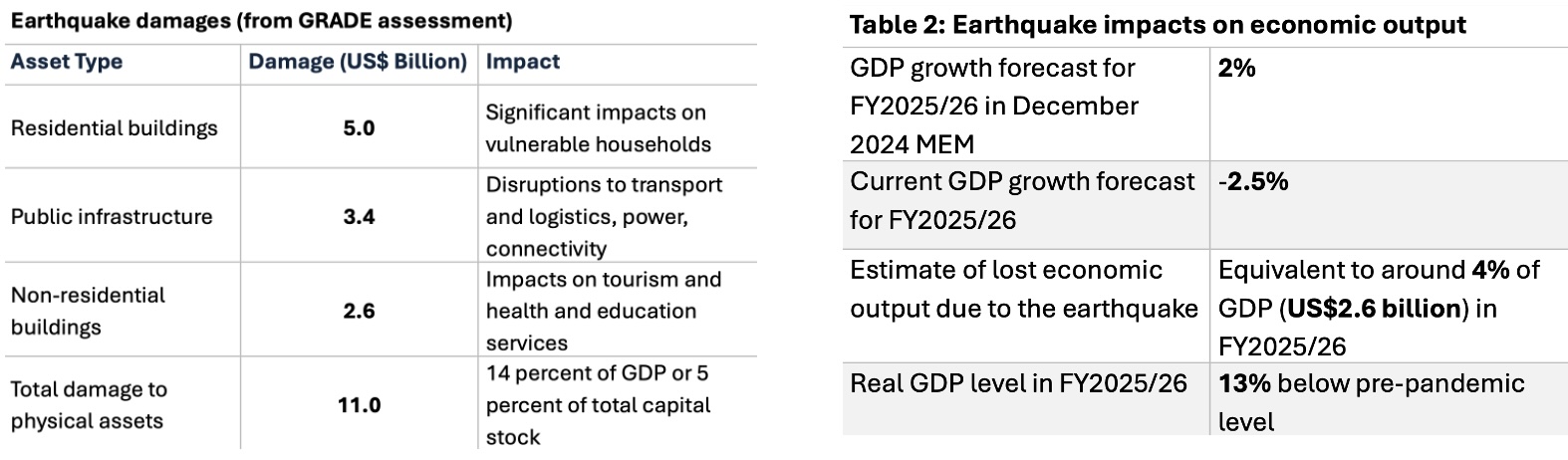
The earthquake’s damage to physical assets – buildings and infrastructure – is estimated to be $11bn, equivalent to 14% GDP. The states most affected are Nay Pyi Taw, Mandalay, Sagaing and Bago.
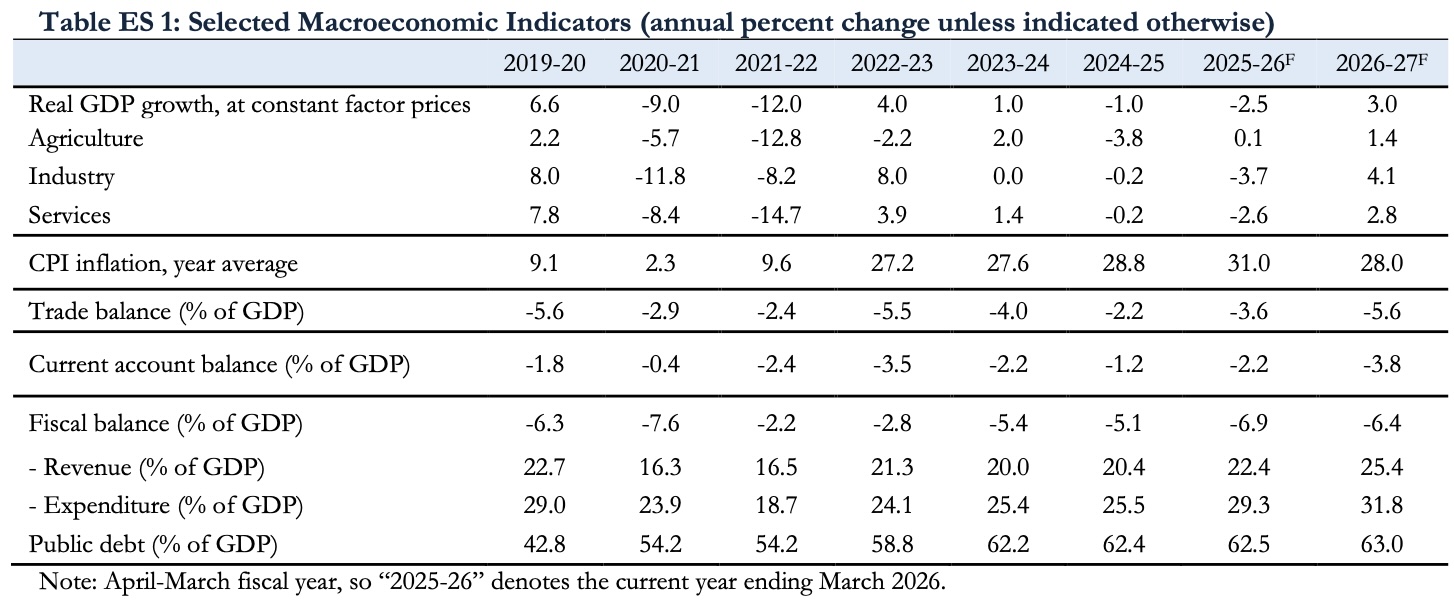
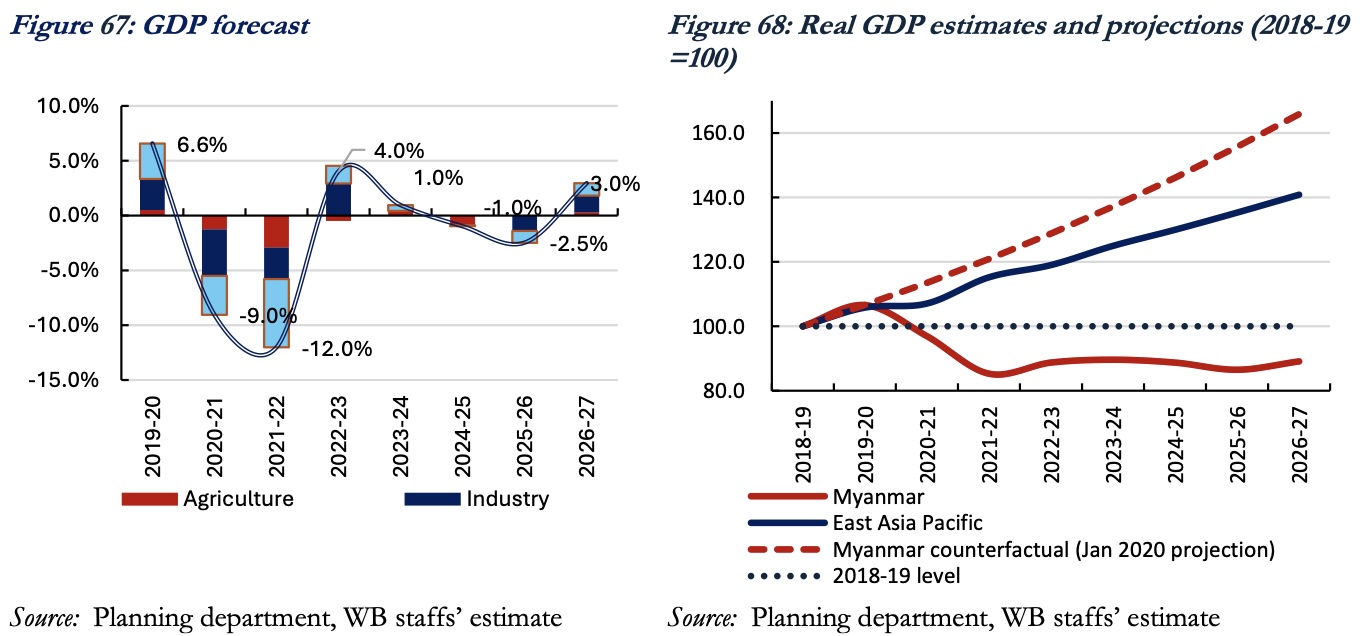
In addition, its impact on Myanmar’s output, resulting from dislocation to supply chains, factory and market closures &c., is expected to be in the region of $2.6bn (4% GDP) in the year to March 2026. As a result, GDP in 2025/26 is forecast to be 13% below the pre-pandemic level.
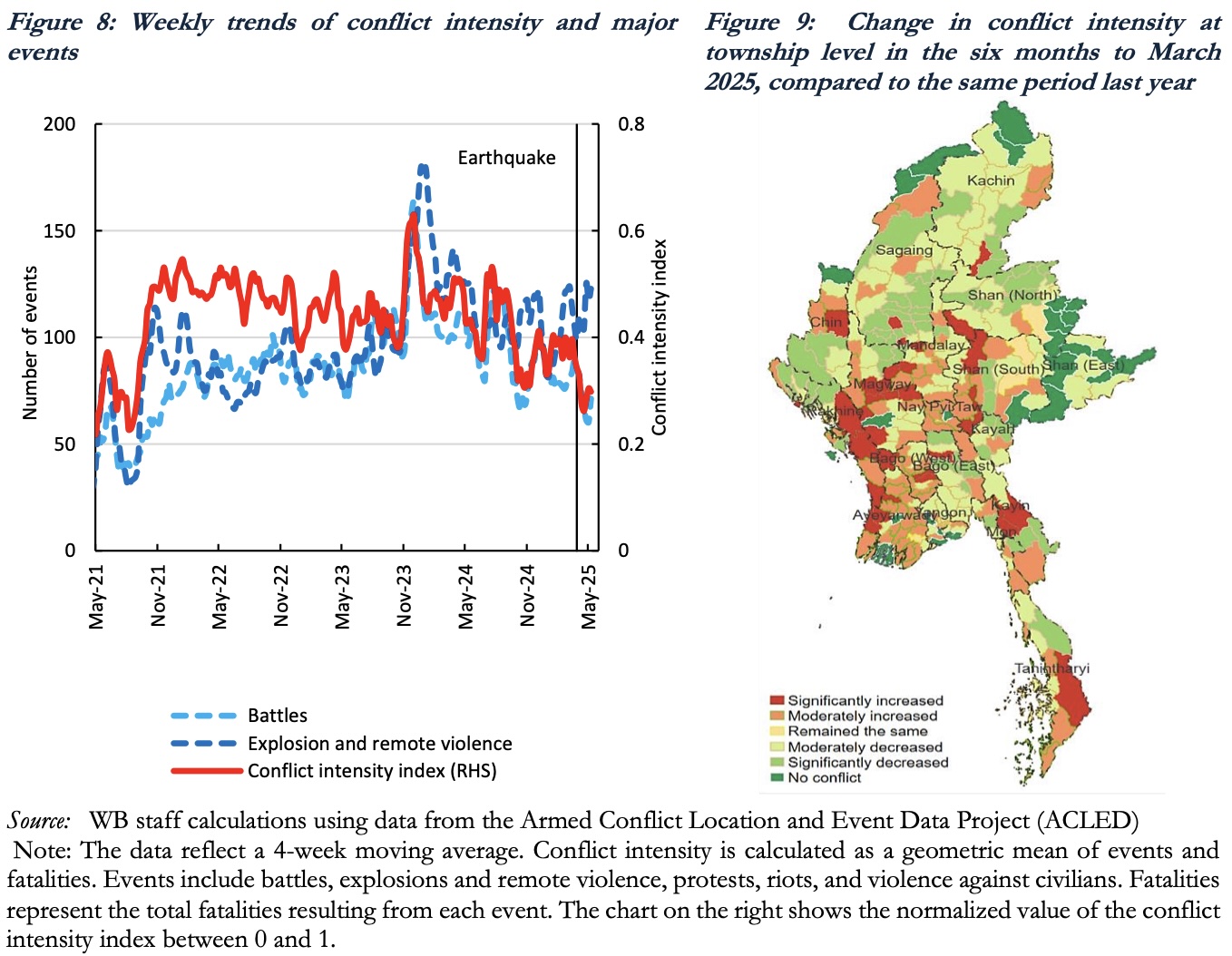
Meanwhile, conflict intensity has abated only slightly. In the north and east, there has been an easing over the past year, but conflict in the west (including in the important agricultural Ayerawaddy region) and in the centre of the country has increased YoY. The UN estimates that, so far, approximately 3.5mn people have been displaced by the fighting.
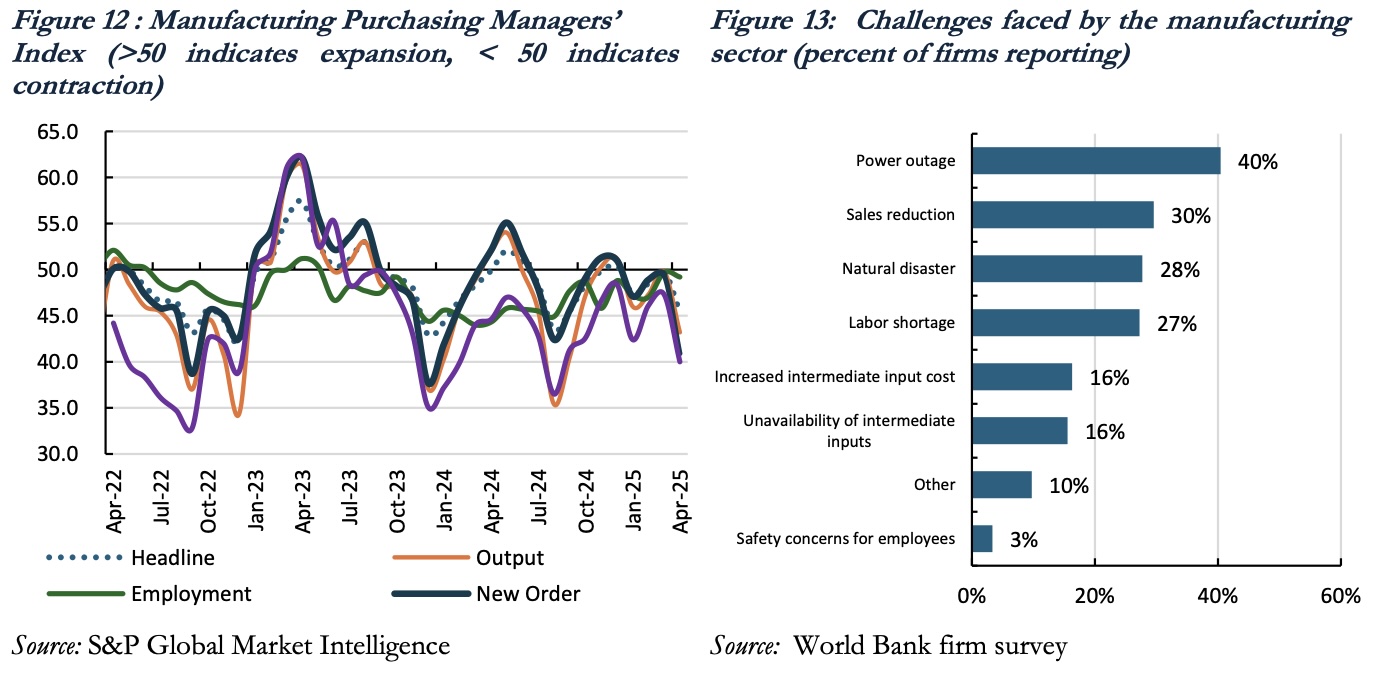
Indicators of economic activity are suggesting that there has been a significant downturn since March. The Manufacturing PMI declined to 45.3 in April, the worst decline in 8 months, and, at 47.6, it continued to signal contraction in May. Alongside weak demand, manufacturers are facing challenges with the supply of power, raw materials and labour. Labour shortages, which had been impacted by conscription threats, have now been exacerbated as workers have been moving away from the areas most affected by the earthquake.
Although public projects have been progressing, in part because of efforts to repair the damage caused by Typhoon Yagi, fewer private residential construction permits have been issued in Yangon (half the market) since the middle of 2024. The price of materials such as cement and steel rose by over 60% between October and April because of limits on import licences and supply chain disruptions.
Over the same period, mineral exports dropped by 12% YoY, as the conflict affected mining areas, and as production from the Yadana, Zawtika and Yetagon gas fields has declined. The services sector has been suffering from lower tourist arrivals (-35% YoY in 2024/25), while domestic travel has been impacted by the spread of the conflict.
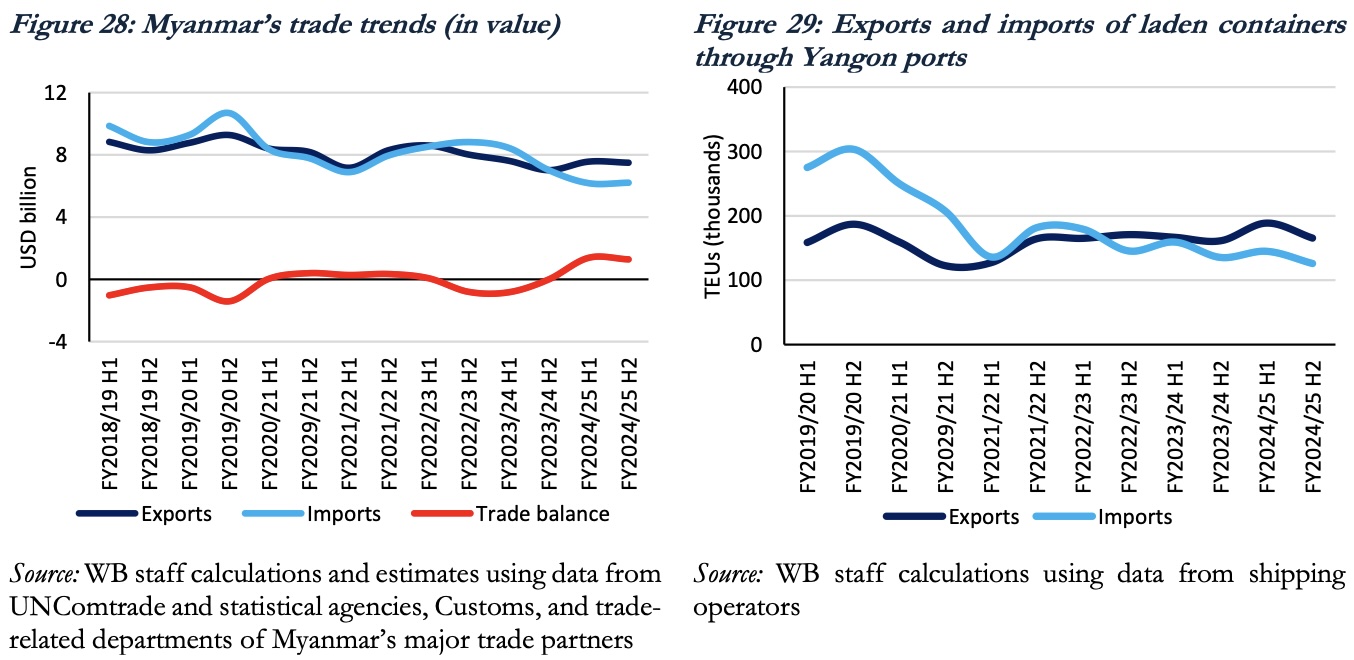
With import licences being more tightly controlled, total imports have been declining. Non-priority products, such as prepared foods, have led the fall (vol. -40% YoY), but machinery imports have fallen by 15% and fertiliser import volumes are down by 37%. The last bodes ill for the upcoming growing season.
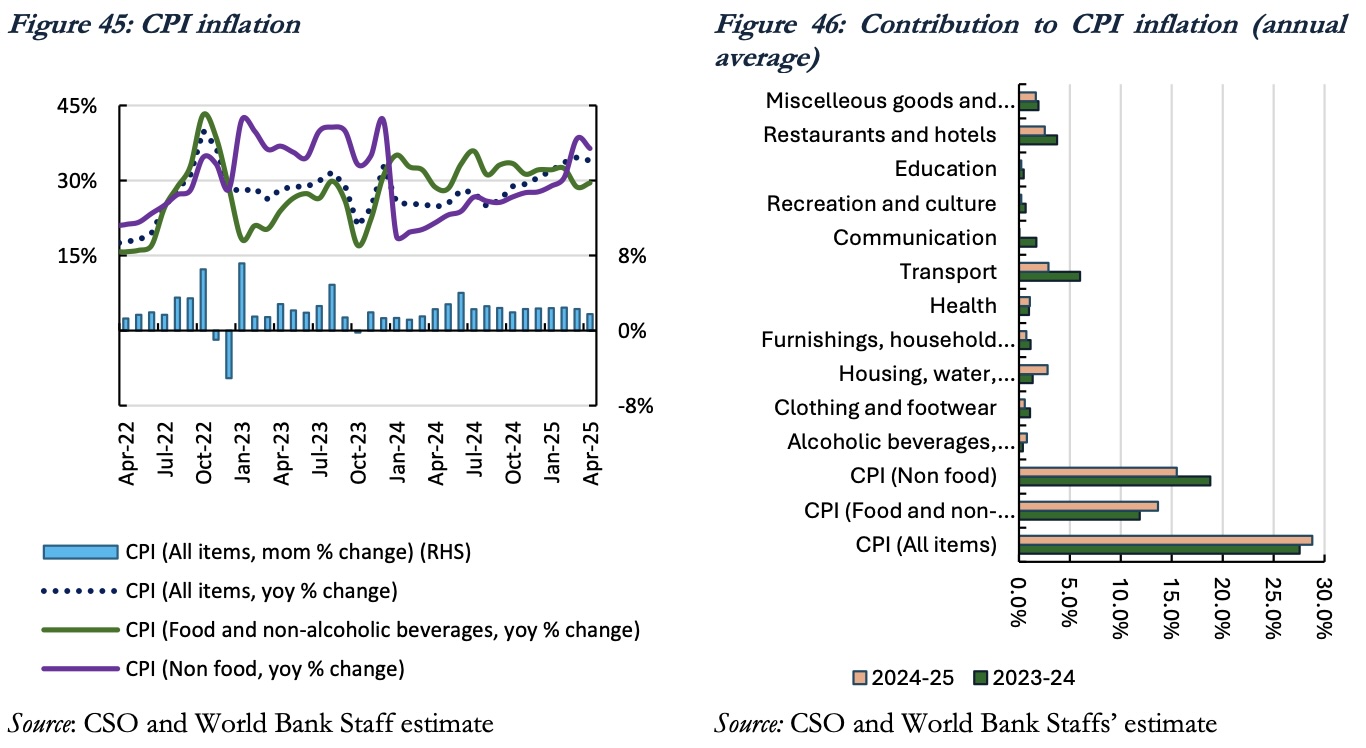
Overall inflation has been steadily rising, reaching 34% YoY over the year to April 2025, according to the World Bank’s own survey. Food inflation stood at 29.5%, and non-food inflation at 36.4%, as higher energy and transport costs have had their effect. In April 2025, tariffs for electricity, water and gas were hiked by 32% on average.
After a sharp depreciation between January and September 2024, the Kyat has shown signs of stabilising against the Dollar, in part because the trade account has moved into a surplus, but also because of the restrictions in place on FX transactions, and intervention by the central bank (though this has declined in the last six months). Companies without export earnings have found it more difficult to obtain imports because the Ministry of Commerce has been enforcing its ‘Export First Policy’.
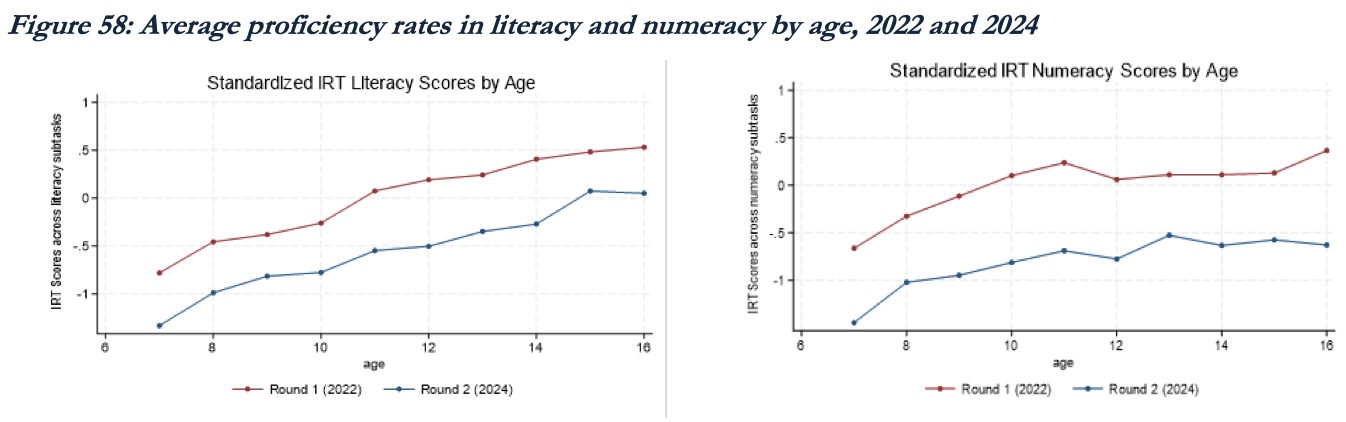
Inevitably, a consequence of all of the above has been a rise in poverty. According to the Bank, it rose from 24.8% in 2017 to 31.5% in 2023, and remained at 31% in 2014. Sadly, it is inevitable that the earthquake will make matters worse. As alarming, from a long-term perspective, is the World Bank’s observation that average literacy and numeracy has declined significantly since 2022.
The following table and charts have been extracted from the World Bank’s report, to provide and indication of Myanmar’s economic predicament.
Those that wish to read the report in full may do so using the following link to the World Bank’s website: Read More