


In the middle of November, the IMF staff completed the latest of their Article IV surveys of the Vietnam economy. The press release issued at the time provides a useful update on the condition of the economy in the light of the COVID 19 pandemic. (A more detailed report can be expected to follow).

Vietnam - Economic Update
IMF Article IV Mission - November 2020
The head of the IMF mission has congratulated Vietnam on its “decisive steps to contain the health and economic fallout from COVID 19”. As a result of these, the IMF is forecasting real GDP growth of 2.4% in 2020, one of the fastest rates of growth in the world. It also expects a “strong recovery” in 2021, with growth expected to strengthen to 6.5%, as domestic and foreign activity normalises.
The fiscal response to the crisis, it says, has been geared towards supporting vulnerable households and firms, and “has benefited from prudent policies adopted in the past”. Monetary easing and temporary financial relief measures have alleviated liquidity pressures and facilitated the continued flow of credit.
Fiscal and monetary policies are expected to remain supportive. Inflation is expected to remain close to the 4% target.
Recognising that the outlook is subject to substantial uncertainties internationally, as well as from corporate distress, the IMF has suggested the authorities should remain flexible in their policy of support, although they have indicated “fiscal policy should play a larger role in the policy mix”.
The fiscal deficit is expected to widen in 2020, but the IMF suggests fiscal support should be maintained in 2021, “with improving efficiency in execution a priority”. Over the medium term, it advocates mobilising revenue to finance green and productive infrastructure, to strengthen social protection systems and to safeguard debt sustainability.
In the arena of monetary policy, the IMF favours greater two-way exchange rate flexibility within the current framework, as it would reduce the need to build buffers and can facilitate the adjustment to a potentially more challenging external environment.
The IMF has reiterated the need for the SBV to monitor closely risks in the banking sector and for NPL recognition and loan classification rules to be normalised. Reforms to reduce the economic dualism between the domestic and FDI sectors, and to raise productivity, remain “crucial” to support robust and inclusive growth.
In particular, the IMF has highlighted the need to remove structural distortions, to reduce the regulatory burden faced by domestic private firms, to improve access to land and financial resources, and to reduce corruption. It says that establishing an SME-specific insolvency regime should help to unlock capital and prevent unnecessary liquidations.
To read the full press release, please use the following link:
Corporate Vulnerabilities and Implications of COVID-19
In a separate paper for discussion, IMF staff have also published their conclusions about the health of the non-financial corporate sector on the eve of the pandemic.
They found that smaller domestic firms were particularly vulnerable, even by regional comparison. This is because these firms were less profitable than regional firms and debt in the sector was already rising before the crisis, leaving them vulnerable to a sharp fall in revenues. (In a recent survey, almost 60% of firms surveyed reported weaker demand, and half experienced supply chain disruptions.)
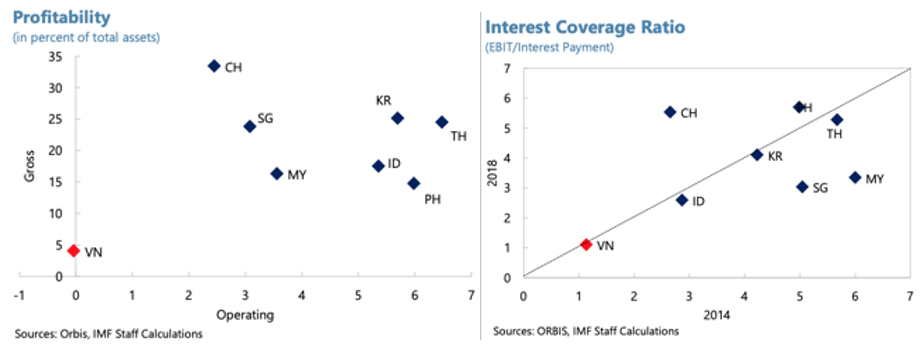
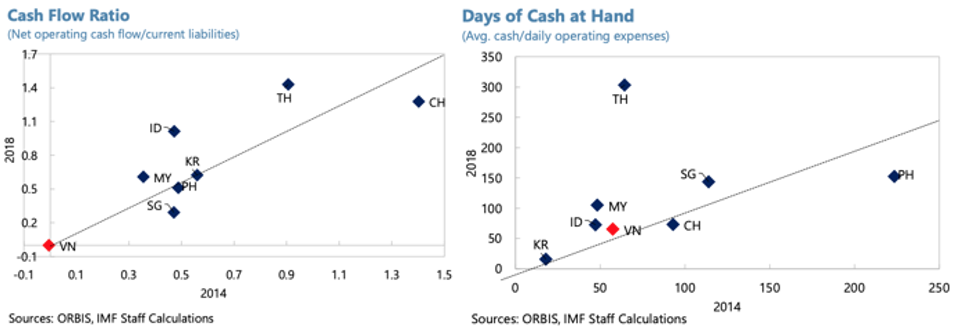
The COVID-19 shock is expected to have a substantial impact on these firms’ profitability, liquidity, and even solvency, particularly in the sectors (hospitality, entertainment, retail) dominated by SMEs, which account for a sizeable employment share. However, they say large firms are also not immune.
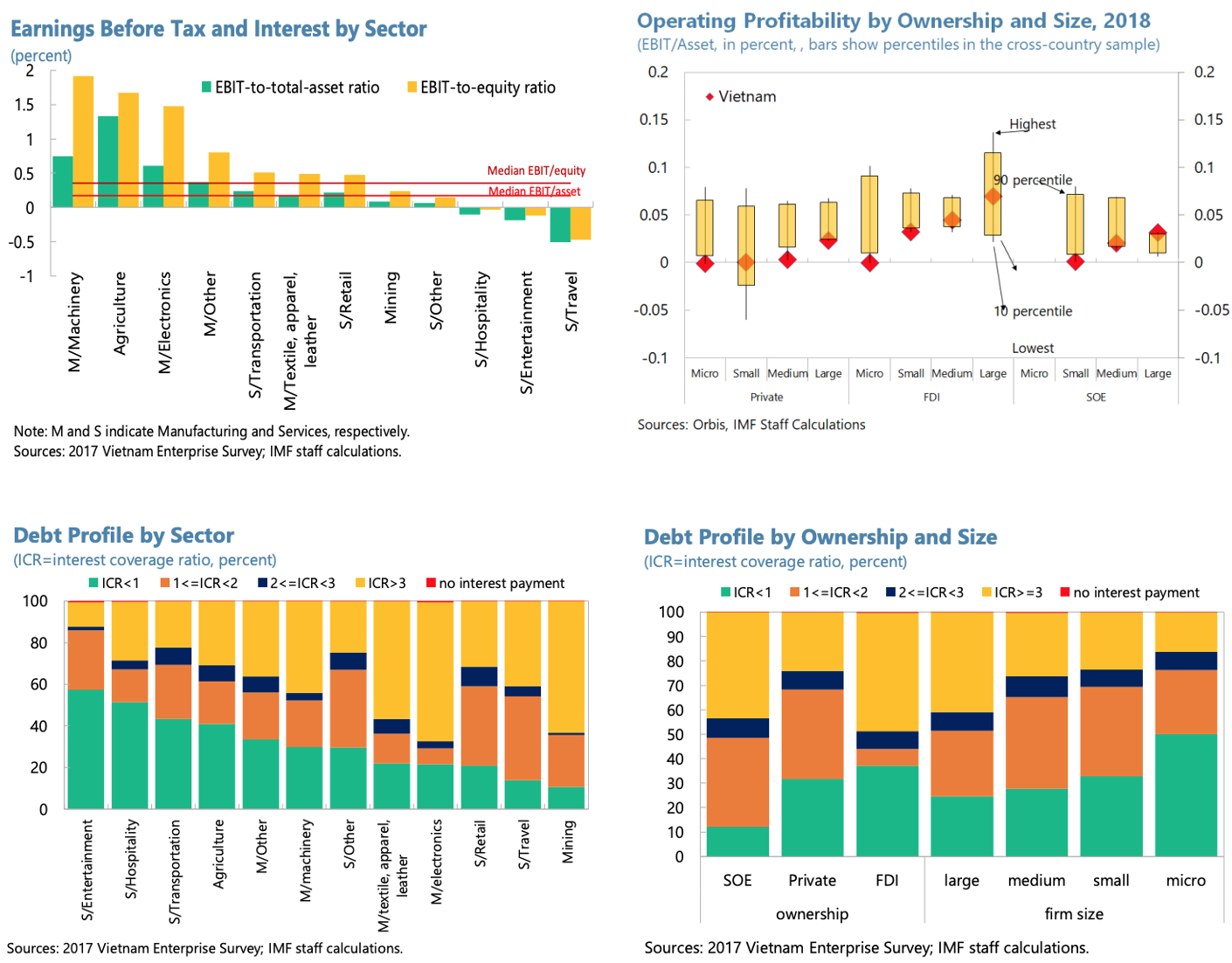
They see the possibility of risks extending to industries not directly affected, with an impact being felt in corporate bankruptcies and bank fragility. Policy measures taken since the crisis erupted have helped, but they say the nature of policy support may have to pivot towards measures geared to reducing resource misallocation and economic duality, improving labour skills and better access to finance, technology and market access for SMEs, as well as facilitating corporate restructuring and resolution.
For the full paper, please use the following link: